The traitor’s grave buries Israel’s proxy dream in Gaza
How Abu Shabab’s downfall exposes the limits of imposed governance and the resilience of social legitimacy
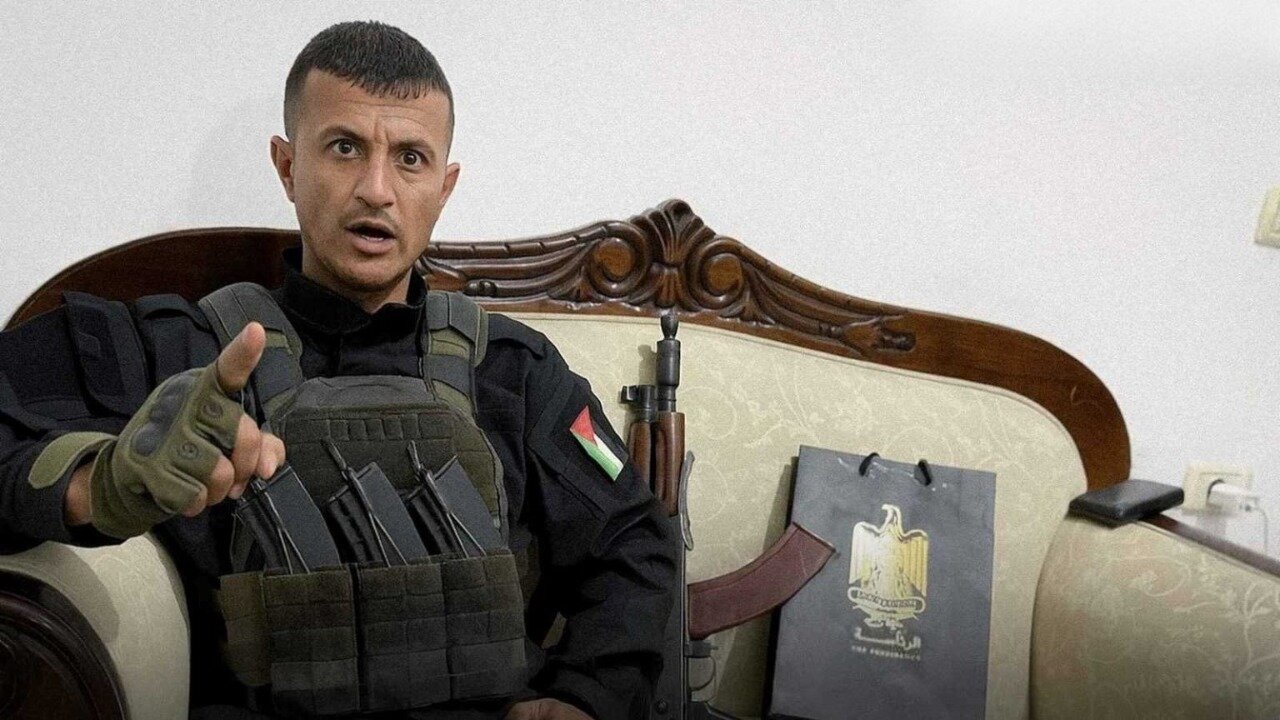
TEHRAN – When the ISIS-linked Yasser Abu Shabab fell, Israel lost more than a proxy commander. Tel Aviv saw its “day after” blueprint for Gaza shaken at the roots.
The bid to set up a compliant rival to Hamas seems to have unraveled, echoing the disastrous “Village Leagues” experiment of the 1980s and colliding head-on with the enduring force of Palestinian resistance.
Trying to use criminal proxies to govern Gaza betrayed a key Israeli miscalculation: legitimacy isn’t something you can impose.
Abu Shabab’s death laid bare the failure of the “divide and conquer” strategy: instead of splintering Palestinian society, his collaboration united it against him.
The most damning verdict came from his own Tarabin tribe, which disavowed him and declared his death the “end of a dark chapter.”
Their repudiation demonstrates that the authority of Gaza’s clans rests on social consensus and honor rather than the coercive power of Israeli arms.
The jubilation at his demise—even among Hamas critics—proves collaboration is a red line in Palestinian society.
Western attempts to rebrand him as a “nationalist” and the Wall Street Journal’s publication of his op-ed changed nothing. Palestinians saw only a terrorist traitor who looted aid under Israeli protection.
His purported replacement, Ghassan al-Duhaini—a former PA officer with reported ties to extremism—offers no course correction.
Described as more ruthless than his predecessor, al-Duhaini’s rise merely swaps one criminal proxy for another, deepening the illegitimacy of the entire project.
This has given the Palestinian Resistance swift leverage, as Hamas moved to consolidate authority by opening a “Repentance Window” that reestablishes its role as the sole guarantor of law and order.
These local dynamics derail Western-backed “Phase Two” negotiation demands, specifically the Trump administration's “Board of Peace” framework, which envisions the disarmament of Hamas.
If Israel cannot protect its own Rafah “governor,” the idea that an “International Stabilization Force” could dismantle a guerrilla movement—one that has rebuilt 10,000–15,000 fighters and still commands thousands in Gaza City—rings hollow.
Despite repeated Israeli breaches of the October ceasefire—killing roughly 400 Palestinians and pushing Gaza’s toll beyond 70,000—Hamas insists phase two cannot advance without a full Israeli withdrawal, proposing instead a long-term truce contingent on complete pullout rather than negotiations under occupation.
In the immediate aftermath, Israel confronts a policy vacuum and mounting challenges, as Abu Shabab’s fate may serve as both a warning and a precedent for the possible elimination of other collaborators in Gaza.
As the situation unfolds, efforts to build a governing alternative to Hamas are likely to stall, holding up reconstruction funds and putting the ceasefire at risk.
Looking further ahead, the episode entrenches the resistance model, leaving a lasting lesson: military occupation and its proxies cannot break a people’s will or replace institutions Palestinians regard as legitimate.
Leave a Comment