-
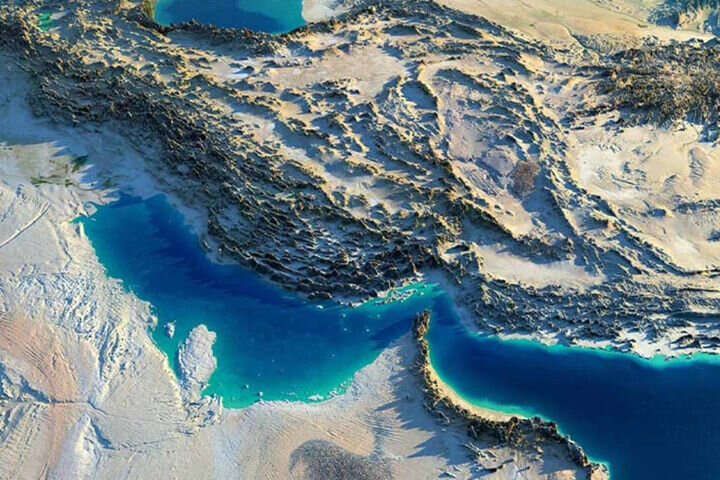
Archaeological evidence points to ancient Parthian naval base near Strait of Hormuz
TEHRAN - Archaeological investigations in southern Iran have uncovered evidence suggesting that the Parthian Empire established a strategic naval base near the Strait of Hormuz around 2,000 years ago, highlighting Iran's historical role in monitoring one of the world's most important maritime trade routes, a local archaeologist said.
-
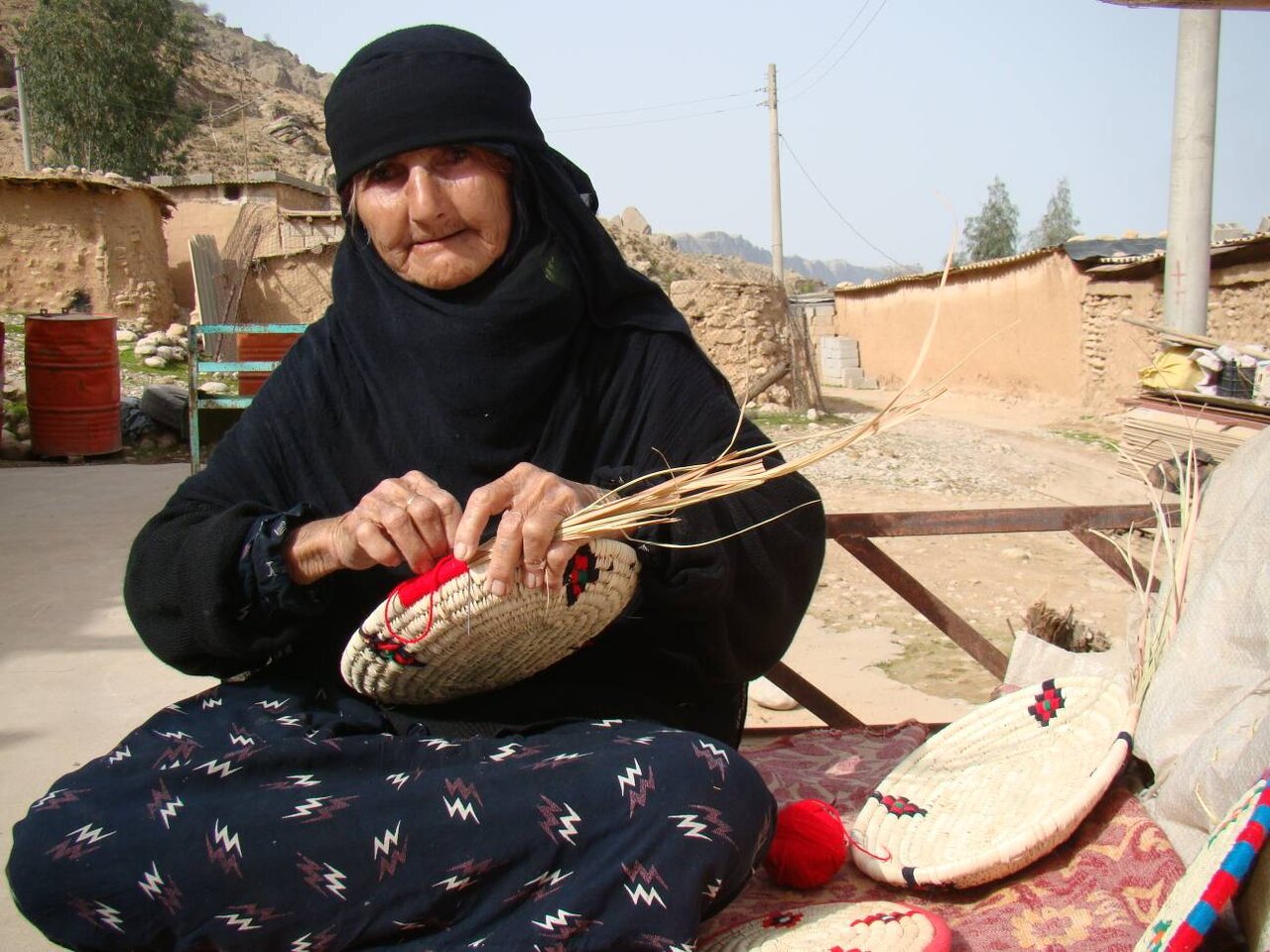
Traditional ecological knowledge in Pamnar reflects deep ties between nature and rural life
TEHRAN – The mountainous village of Pamnar in southwestern Iran has preserved a rich body of traditional ecological knowledge shaped by generations of interaction with the natural environment, according to a study by anthropologist Mansoureh Razavi.
-

Darak, where tourists rediscover coastal heritage, tropical agriculture and environment
Darak, Iran — Tourists joined local residents and community leaders in a unique cultural and environmental tourism event in Darak village, one of the most remarkable destinations along Iran’s Makran Coast.
-

Archaeological evidence points to ancient Parthian naval base near Strait of Hormuz
TEHRAN - Archaeological investigations in southern Iran have uncovered evidence suggesting that the Parthian Empire established a strategic naval base near the Strait of Hormuz around 2,000 years ago, highlighting Iran's historical role in monitoring one of the world's most important maritime trade routes, a local archaeologist said.
-

Darak, where tourists rediscover coastal heritage, tropical agriculture and environment
Darak, Iran — Tourists joined local residents and community leaders in a unique cultural and environmental tourism event in Darak village, one of the most remarkable destinations along Iran’s Makran Coast.
-

Pamnar’s landscape highlights potential for sustainable tourism and scientific research
TEHRAN – The mountainous region of Pamnar in Iran’s Khuzestan province is gaining attention for its geological significance, ecological diversity and potential for sustainable tourism development, according to geologist and tour guide Ali Habibnejad.
-

Traditional ecological knowledge in Pamnar reflects deep ties between nature and rural life
TEHRAN – The mountainous village of Pamnar in southwestern Iran has preserved a rich body of traditional ecological knowledge shaped by generations of interaction with the natural environment, according to a study by anthropologist Mansoureh Razavi.
-
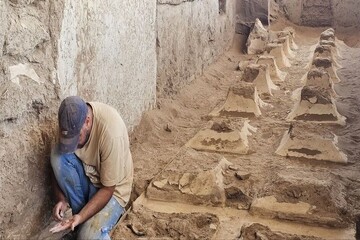
New hall and ritual offering tables unearthed at Vigol fire temple site
TEHRAN – Archaeologists working at the ancient Vigol archaeological site in central Iran have discovered a new hall and the remains of ritual offering tables during the third season of excavations at the site, a cultural heritage official said on Monday.
-

Protection boundaries approved for eight historical sites in Khuzestan province
TEHRAN – Iran’s Ministry of Cultural Heritage, Tourism and Handicrafts has approved protection boundaries and preservation regulations for eight historical and archaeological sites in the southwestern province of Khuzestan, the provincial tourism chief said on Monday.
-
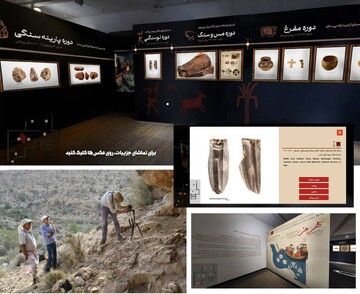
Gav Bast Mountain’s 8,000-year-old artifacts on display in National Museum
TEHRAN - Gav Bast Mountain, with its 8,000-year history of human occupation, stands as a testament to the deep archaeological significance of Iran’s southern landscapes, a fact now highlighted in a major new virtual exhibition at the National Museum of Iran.
-
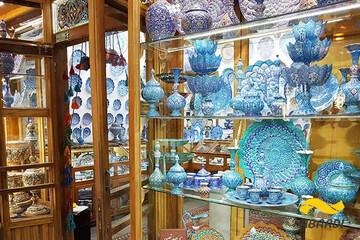
Minister calls for specialized handicrafts centers to boost urban economies
TEHRAN - Minister of Cultural Heritage, Tourism and Handicrafts has called for the establishment of specialized handicrafts centers across major Iranian cities, describing them as a crucial missing link in the marketing and commercialization of products created by artisans and craftspeople.
-
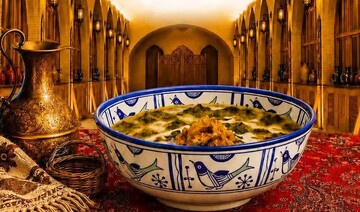
Traditional cuisine seen as one of key drivers of tourism growth in Yazd province
TEHRAN - Officials in Iran’s central province of Yazd have highlighted the growing importance of traditional cuisine in strengthening tourism and supporting local economic development, saying that promoting indigenous foods can help preserve cultural heritage while attracting more visitors to the region.
-
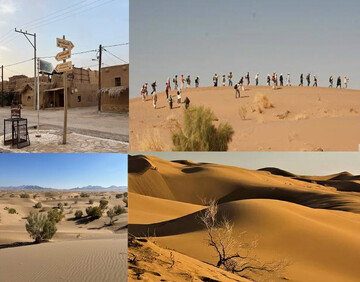
Mesr village nears global recognition as model of sustainable desert tourism
TEHRAN – The desert village of Mesr, located in Khur and Biabanak county in Iran’s central Isfahan province, has successfully passed the preliminary stages of international evaluation and is now on the verge of being included in the United Nations Tourism (UN Tourism) program recognizing the Best Tourism Villages worldwide.