Total:5
-
 2025-12-14 17:50
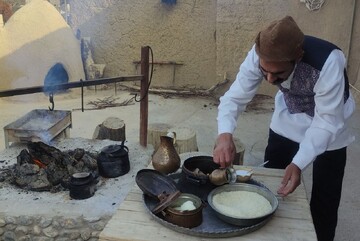
Digi and glimpses of culinary heritage in Qaleh Bala village
TEHRAN – A traditional dish known as Digi, prepared using a centuries-old method in Iran’s Qaleh Bala village, offers insight into the area’s indigenous culinary culture, reflecting local knowledge, communal practices and social traditions passed down through generations.
-
 2025-12-10 17:31
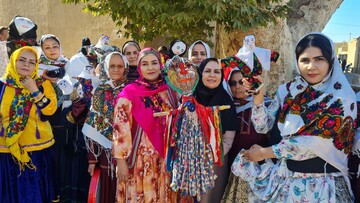
Women preserve ‘Tal-o Mahtal’ ritual for rain in Iran’s Qaleh Bala village
TEHRAN – The ancient rain-seeking ritual Tal-o Mahtal, observed in Iran’s Qaleh Bala village, is originated as a community response to recurring desert droughts and continues to be practiced today. The ceremony is listed as part of the national intangible cultural heritage.
-
 2025-11-30 18:52
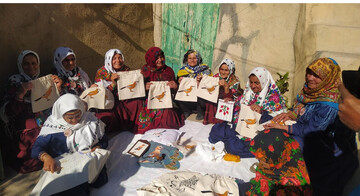
Qaleh Bala, a village where people celebrate endemic Iranian Ground-Jay
TEHRAN - For 14 years, the remote eco-friendly village of Qaleh Bala has welcomed wildlife enthusiasts to its unique “Journey to the Habitat of the Iranian Ground-Jay” festival — an annual event where residents and visitors come together to honor and protect one of Iran’s rarest native birds.
-
 2025-11-16 17:32
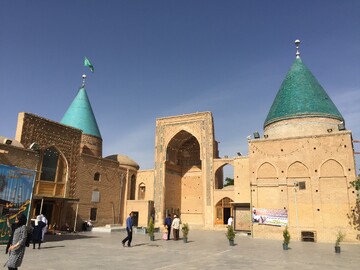
Bastam added to Iran’s list of historical cities
TEHRAN - Bastam, a tourism destination near Shahroud, has recently been added to Iran’s list of historical cities during the second conference of Iran’s historical cities held in Yazd.
-
 2025-08-18 17:23
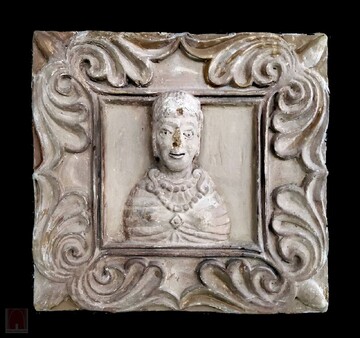
Echoes of the Past: Stucco plaque of Sasanian lady
The pictured Sassanid-era stucco plaque set within a central square depicts the bust of a smiling woman—likely a Sasanian princess, suggested by her ornate adornments. Unearthed at Tepe Hessar in Damghan, modern-day Semnan province, it dates to the late 6th or early 7th century CE.