Orban slams EU’s Ukraine policy: ‘Sanctions crushed Europe, not Russia’
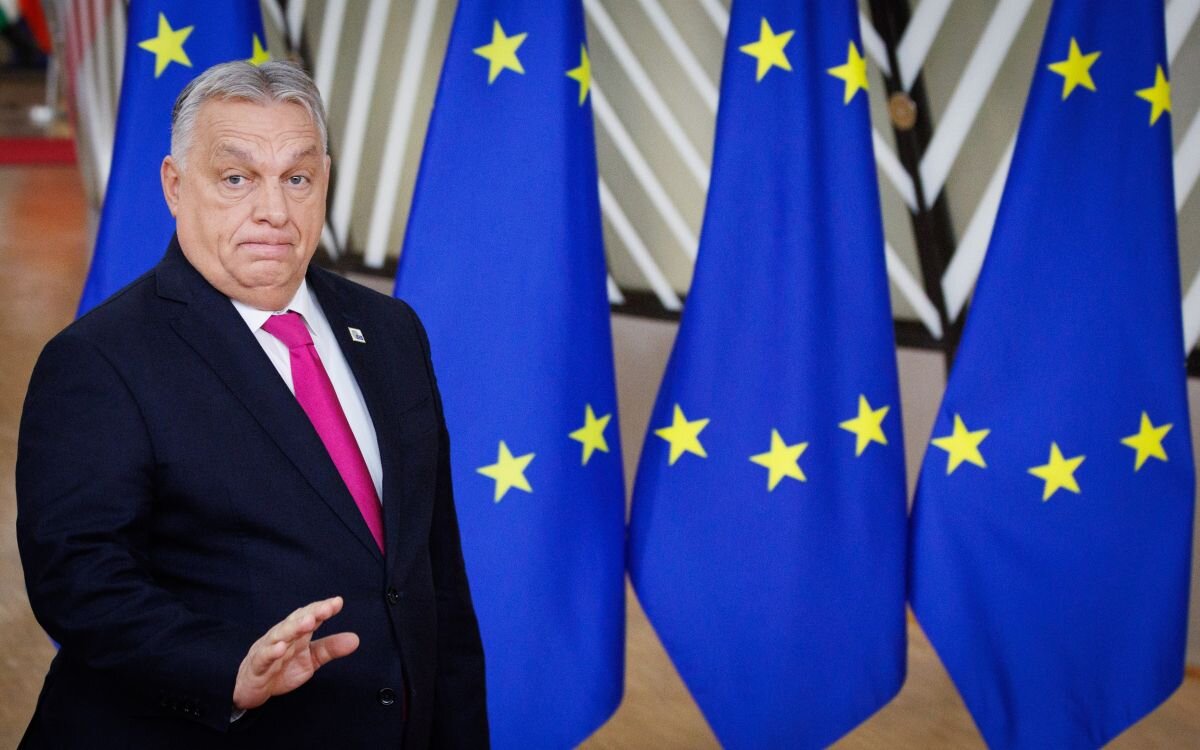
TEHRAN – Hungarian Prime Minister Viktor Orban has sharpened his long-standing criticism of the European Union’s approach to the war in Ukraine, warning that Brussels’ decisions are placing an increasingly heavy burden on European citizens.
In a post on X, he wrote: “Brussels promised sanctions would crush Russia. Instead, they crushed Europe. Energy prices exploded, competitiveness collapsed, and Europe is falling behind. This is the cost of bad decisions. Negotiations are needed, not escalation.” This coincides with the EU’s approval of a €90 billion interest-free loan for Ukraine—one of the largest financial commitments in the bloc’s history.
Orban’s comments come at a moment when many Europeans are still grappling with the consequences of the energy crisis triggered by sanctions on Russian oil and gas. The sudden loss of affordable energy forced governments to spend billions on subsidies to prevent social unrest. Industries that depend on stable energy supplies—particularly in Germany, Italy, and Central Europe—faced production cuts, layoffs, or relocation. These disruptions were not caused by developments on the front lines but by Europe’s own policy decisions, which reshaped energy markets overnight.
The new €90 billion loan package reinforces Orban’s argument that Europeans are being asked to finance a conflict that has no clear end. Member states are committing vast sums of taxpayer money at a time when their own economies are slowing, and public budgets are under strain. For ordinary Europeans, this means higher taxes, reduced public services, or increased national debt.
At the same time, Russia has demonstrated more economic resilience than many in Brussels expected. Moscow redirected much of its energy exports to Asia and stabilized key sectors of its economy. Europe, by contrast, has struggled with declining competitiveness, especially in energy-intensive industries that once formed the backbone of its economic strength. Orban’s criticism reflects this imbalance: the EU set out to weaken Russia but ended up exposing its own vulnerabilities.
His call for negotiations instead of further escalation is tied to this broader analysis. Orban is pointing to the visible consequences of Europe’s choices—higher living costs, weakened industries, and long-term financial commitments that fall on European taxpayers. He argues that diplomacy offers a more realistic path forward than continuing a strategy that has already strained Europe’s economies and societies.
Orban’s warning resonates because it touches on concerns increasingly felt across the continent. Many Europeans are questioning how long the EU can continue to fund Ukraine at this scale while their own living standards decline. Whether his view becomes mainstream or remains contested, Orban has forced a difficult question onto Europe’s agenda: is the current strategy sustainable, or is the continent paying too high a price for decisions made in Brussels?
Leave a Comment