Lebanon at the edge: Diplomacy between fire and restraint
BEIRUT—Lebanon has entered a critical moment. An intense flurry of regional and international contacts is unfolding against the backdrop of open Israeli threats against Lebanon and mounting internal pressure.
At the center of this moment stands the anticipated meeting between Israeli Prime Minister Benjamin Netanyahu and U.S. President Donald Trump on the 29th of the current month—an encounter widely seen as a pivot point that could determine whether the region tips into a wider war or remains confined to a tense and unstable stalemate.
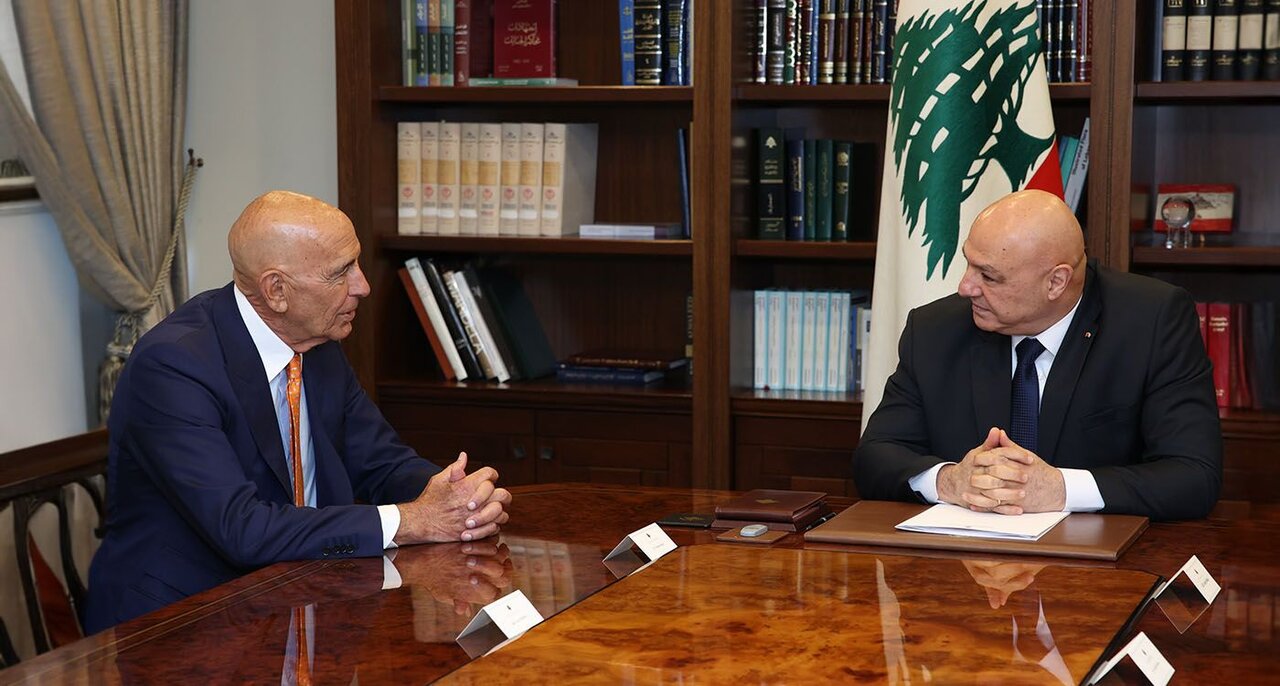
The week opens with U.S. envoy Tom Barrack launching talks in Tel Aviv under the banner of “preventing escalation in Lebanon,” according to Hebrew media.
These discussions are quickly followed by a preparatory meeting in Paris aimed at supporting the Lebanese army, alongside a visit to Beirut by Egyptian Prime Minister Mostafa Madbouly to reactivate Cairo’s mediation track.
Soon after, the reconfigured “mechanism committee,” combining political and military representation, is expected to reconvene, signaling a renewed attempt to manage the crisis through layered diplomacy.
Egypt’s renewed engagement reflects a broader Arab effort to contain escalation and prevent a regional spillover. Yet this effort unfolds amid clear Lebanese unease, particularly following negative domestic reactions to the recent visit of Egypt’s foreign minister.
Simultaneously, Lebanon’s internal arena is witnessing a coordinated push to provoke a diplomatic rupture with Iran.
Led openly by the Lebanese Forces (LF) party and echoed by Foreign Minister Youssef Rajji and MPs aligned to the party, this campaign has escalated to calls for expelling Iran’s ambassador and rejecting official Iranian visits.
Tehran, notably, has responded with restraint—confirming that procedures for appointing a new ambassador are ongoing and urging dialogue rather than confrontation.
On the Israeli front, the rhetoric remains unmistakably aggressive. Daily security leaks emphasize readiness for a large-scale strike against Hezbollah.
Yet a significant shift has emerged: reports now point to heavy U.S. pressure restraining Israel from launching a broad campaign. According to Israeli military correspondents, Washington is insisting on granting the Lebanese government a “final window” until the end of the year to take concrete steps toward disarming Hezbollah.
Until then, the Israel enemy is being urged to limit itself to so-called “surgical” strikes—despite Israeli acknowledgment that such actions do little to halt Hezbollah’s reconstruction.
Israeli analysts describe the moment as a race against time. The security establishment argues that a rare opportunity exists to prevent Hezbollah from restoring its missile and drone capabilities, while Washington blocks both a ground maneuver and a full air campaign in the name of averting regional war.
Lebanese officials warn that any attempt to confront Hezbollah directly risks civil war, a scenario Washington claims it seeks to avoid.
Hezbollah, meanwhile, continues to pursue calculated restraint, denying Israel a clear pretext for escalation and reinforcing a growing U.S. admission that forced disarmament is unrealistic.
In this narrow space, time and diplomacy remain Lebanon’s final leverage. Whether they will be enough to postpone or prevent a larger confrontation will be decided in the weeks ahead.
Leave a Comment