Israel’s media war fails to divide Iran and Lebanon
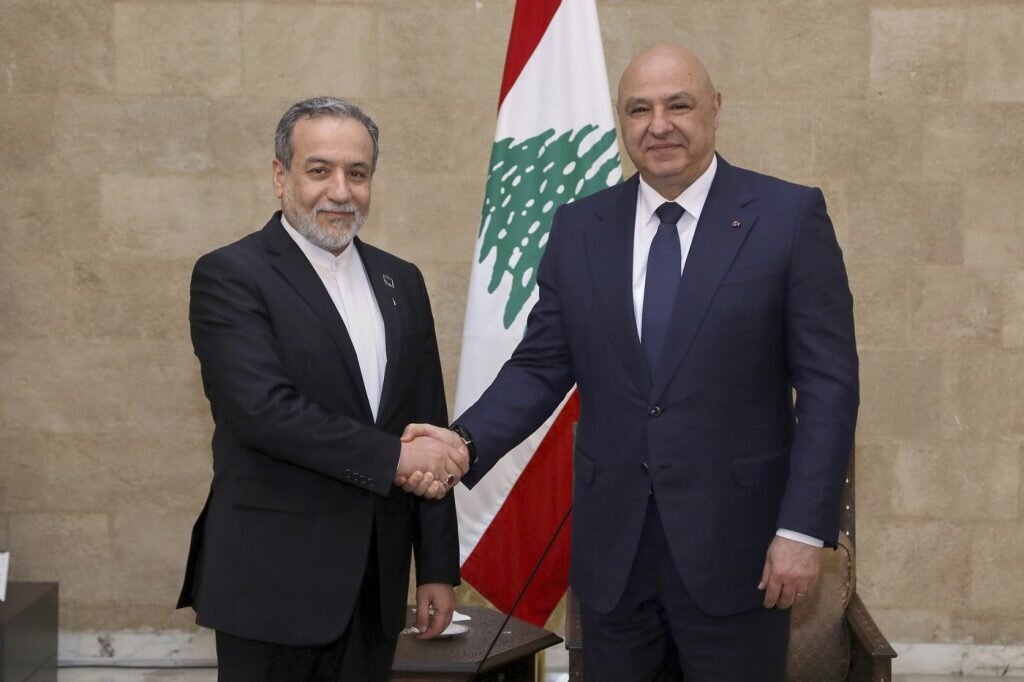
TEHRAN – Israeli media and their affiliates recently tried to stir the pot, spotlighting a brief back-and-forth between Iranian Foreign Minister Abbas Araghchi and his Lebanese counterpart Youssef Raggi, in an effort to paint the two countries as being at odds.
The exchange was highlighted when Raggi declined Araghchi’s invitation on X (formerly Twitter) to visit Tehran, suggesting instead that they meet in a neutral country. He later issued a formal invitation. Araghchi responded that he would “gladly accept the invitation to come to Beirut,” though he found Raggi’s position “bemusing.” He emphasized that foreign ministers of countries with “full diplomatic relations” should not require a neutral venue to meet.
Raggi, who has openly called for Hezbollah’s disarmament, accused Iran of interfering in Lebanon’s domestic affairs — a claim firmly rejected by Araghchi. The top Iranian diplomat’s calm and professional reply reaffirmed a commitment to dialogue and mutual respect.
Whispers without weight
When the diplomatic friction failed to escalate, a fresh report from Emirati outlet Erem News has quickly surfaced. The outlet has alleged, citing unnamed Lebanese diplomatic sources, that Iran is dissatisfied with Hezbollah Secretary General Naim Qassem and is preparing to reorganize the group’s leadership.
The report claimed Tehran views Qassem as “unsuitable to lead Hezbollah at this critical stage,” and further suggested Araghchi would oversee preparations for restructuring Hezbollah’s leadership during an upcoming visit to Beirut.
No evidence has been provided to substantiate these claims. The reliance on anonymous sources and speculative language raises serious questions about credibility and intent.
Propaganda objectives
The timing and framing of the Erem News report align with Israel’s broader propaganda strategy, which has long relied on disinformation to weaken resistance movements and deflect scrutiny from its own actions.
Deflecting attention from military failures: Israel has struggled to achieve decisive victories in Lebanon and Gaza despite repeated strikes and assassinations. By circulating claims of internal discord within Hezbollah, Israeli-aligned media attempt to shift the narrative away from battlefield realities and present an illusion of weakness inside the resistance.
Masking civilian casualties: Reports from humanitarian organizations and international media have documented widespread civilian harm caused by Israeli bombardments in southern Lebanon and Gaza. Fabricating stories about Hezbollah’s leadership turmoil serves to obscure these humanitarian crises, redirecting attention from Israel’s violations of international law and the mounting human toll of its aggression.
Delegitimizing resistance: Israel has consistently demanded Hezbollah’s disarmament, portraying its weapons as illegitimate. Yet Hezbollah has stated unequivocally that as long as Israeli occupation and aggression continue, it will not disarm, considering its arsenal essential to Lebanon’s defense, sovereignty, and existence. By portraying Hezbollah as fractured or externally controlled, propaganda outlets aim to erode its legitimacy in the eyes of the Lebanese public and international observers.
Undermining Lebanese sovereignty: Suggesting Tehran dictates Hezbollah’s leadership is a deliberate distortion designed to undermine Lebanese agency and present resistance as foreign-controlled. This narrative serves Israel’s strategic interest: weakening Lebanon’s political fabric while deflecting from its growing isolation in the region.
Israel’s affiliated media have turned to psychological and hybrid information warfare, fabricating crises to mask battlefield shortcomings. In contrast, Iran’s diplomacy and Hezbollah’s partnership with the Lebanese government underscore a commitment to dialogue and national defense that propaganda cannot erase.
Leave a Comment