Iran proposes regional action plan to preserve Caspian seal
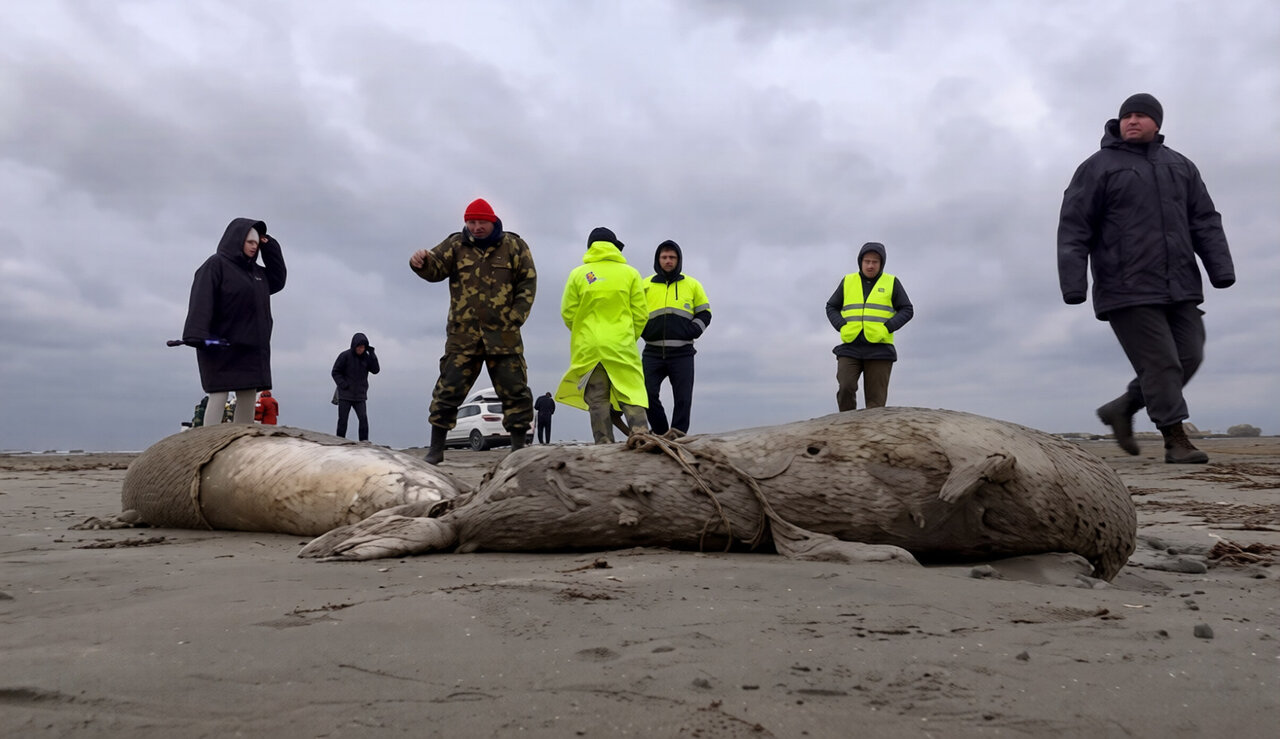
TEHRAN – The Ministry of Foreign Affairs has submitted a draft regional action plan aimed at preserving the Caspian seal to the Secretariat of the Tehran Convention for consideration at the ministerial meeting of the Caspian littoral states.
Effective conservation of the Caspian seal is impossible without regional cooperation; the proposed regional action plan aims to require all littoral states to participate in the protection of this valuable species, as the measures implemented by a single country cannot guarantee the success of preservation efforts, ISNA quoted Shahram Fadakar, director general for the protection of marine ecosystems and coasts at the Department of Environment (DOE), as saying.
The Caspian seal is the only marine mammal native to the Caspian Sea, which is listed as an endangered species facing numerous threats. The depletion of food sources, particularly Kilka, which is a key food source for the Caspian seal, sea pollution, chemical contamination, hunting, accidental capture in fishing nets, viral and parasite infections, and climate change are among other major threats to the species, the official noted.
Reducing mortality rates within the species requires the implementation of a set of simultaneous measures such as monitoring, conservation, rescue operations, and personnel training. The expansion of rescue centers in coastal provinces, the enhancement of coastal monitoring efforts, the training of fishermen and local communities, and the prompt examination of fresh carcasses can facilitate the identification of threats and mitigation of potential harm, Fadakar highlighted.
The movement of the species across the shared waters of the Caspian Sea and the potential drifting of carcasses between the coastlines of littoral states indicate that a transboundary approach is needed to address this crisis. Pursuing a regional action plan for the conservation of the Caspian seal can facilitate the enhancement of coordination among the coastal nations and the adoption of joint measures to preserve the species’ population, Fadakar further noted.
Over the past few years, the Department of Environment has adopted various measures to protect the species and mitigate these threats, he added.
The DOE, in cooperation with related executive agencies, universities, and other stakeholders, has developed the regional action plan to safeguard the endangered species, Fadakar highlighted.
Currently, the DOE is implementing the following measures to protect the Caspian seal; these include launching a secretariat for the Caspian seal conservation, establishing executive working groups in the northern provinces, setting up and equipping rescue centers, installing information signs in sensitive areas, and preparing educational and informational materials to train target groups regarding this species.
Conservation action plan to save Caspian seal
In recent years, the increasing discovery of seal carcasses on the southern coast of the Caspian Sea has raised concerns among environmentalists that the Caspian seal is at a greater risk of extinction than ever before.
The species is now listed as endangered on the International Union for Conservation of Nature (IUCN) Red List, with its population declining due to various reasons, from one million in the past to 70,000 currently.
In 2025, the first specialized center in the country for the conservation, treatment, and dissection of Caspian seals opened in Bojaq National Park in the Caspian Sea province of Gilan.
The center aims to revive and care for the seals, the only marine mammal in the Caspian Sea; the inauguration of the center will serve as a milestone in the implementation of national and regional programs for the protection of this endangered animal, IRIB quoted Ahmad-Reza Lahijanzadeh, the deputy head of the Department of Environment for Marine and Wetlands Affairs, as saying.
The center has the capacity to become a specialized veterinary and research complex to study the causes of death in seals, he added.
Training fishermen to report incidents and transport injured seals quickly (to the center), and using drones to monitor seals will play a key role in lowering losses, Lahijanzadeh added.
The official went on to say that the coastal community can also contribute to the preservation program through reporting seal sightings or carcasses.
In November 2024, DOE started implementing a national action plan that focuses on the conservation of the Caspian seal.
The main objective of the plan is to conserve the Caspian seal, a rare, valuable, endemic, and endangered species of the Caspian Sea, as the priority of marine environmental activities. IRNA quoted Mohammad Talebi-Matin, an official with the DOE, as saying.
The establishment of a center for the Caspian seal conservation in Tarbiat Modarres University’s branch in Noor County is among the important measures taken in this regard.
It has fostered positive interactions between the university and the executive units, which is expected to bring about positive results in the protection of Caspian seals in the near future, the official noted.
Executive working groups have been formed in cooperation with governors and other beneficiaries under the management of provincial departments of environment in Gilan, Mazandaran, and Golestan provinces.
Also, the rescue centers for seals in these three provinces are well-equipped, and a specialized training workshop has already been held for the beneficiaries and rangers, Talebi-Matin said.
The training included basic methods of rescue, release, carcass disposal, and correct sample gathering.
In addition, examining the seals’ carcasses on the beaches to identify the cause of their loss is being pursued in cooperation with neighboring countries and related organizations.
MT/MG
Leave a Comment