Former Iranian FM says Israel drives U.S. policy, calls Netanyahu main obstacle to peace
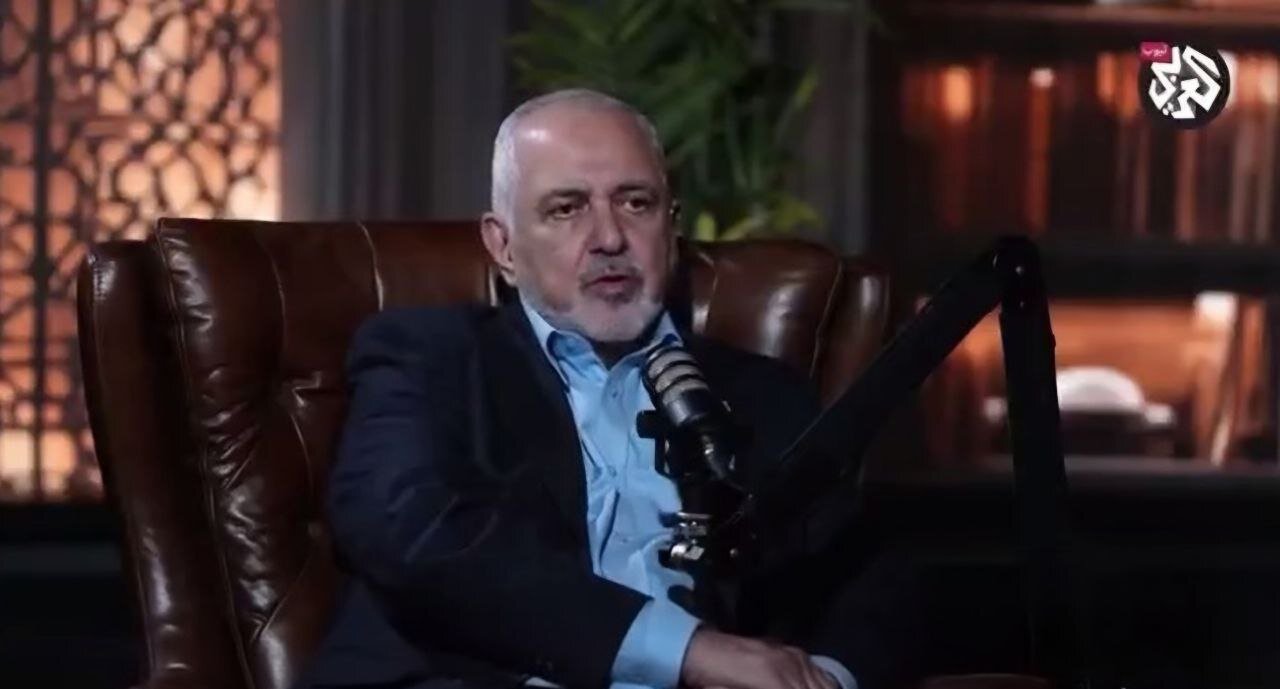
TEHRAN – Former Iranian Foreign Minister Mohammad Javad Zarif said Israel exerts decisive influence over U.S. policy and remains the main source of instability in the region, calling Israeli Prime Minister Benjamin Netanyahu the biggest obstacle to peace.
In an interview with Al Araby Television, Zarif said that “even Americans themselves now acknowledge that it is Israel that controls the United States,” arguing that Netanyahu makes key regional decisions on Washington’s behalf and that Israel’s only regional strategy is war.
He said Israel’s actions in Gaza, including the killing of civilians and efforts to force Palestinians from their land, must be central to any diplomatic negotiations. Zarif added that Israeli attacks across the region, including in Syria and Doha, should be addressed in international forums.
“The two-state solution is the only path to peace, but Netanyahu rejects it,” Zarif said, adding that nuclear technology cannot be eliminated through military strikes or sanctions and that regional engagement and cooperation remain the only viable way forward.
Zarif stressed that Israel’s hostility is directed primarily at Arab countries, saying Iran’s policies have aimed to counter Israeli expansionism, support Arabs and Muslims, and combat terrorism in the region. While acknowledging that mistakes may have occurred, he said Iran’s core objective has remained unchanged.
He also said that over the past nearly 45 years, no Arab country or faction has fired a single bullet in support of Iran, adding that none has confronted Israel on Iran’s behalf either. Zarif pointed to the billions of dollars provided by some Arab states, including Saudi Arabia and other Persian Gulf countries, to Saddam Hussein during the Iran-Iraq war, describing those actions as being directed against Iran.
Turning to his departure from the Iranian government, Zarif said he was asked to leave because of a parliamentary law barring officials whose family members hold dual nationality. He rejected claims that he holds U.S. citizenship or a Green Card, noting that while his children have U.S. citizenship because they were born there, they live in Iran. He also said he was sanctioned during the U.S. president Donald Trump’s first term and remains banned from traveling to the United States.
Zarif said diplomacy is the only way out of the current regional impasse, though he cautioned that the opposing side has repeatedly failed to honor its commitments and that this reality must be reflected in diplomatic engagement.
Zarif noted that some Arab states opposed the 2015 nuclear deal, or JCPOA, as strongly as Israel did, and said several regional actors—excluding Qatar—believe continued hostility between Iran and the United States serves their interests.
“If the region faces instability, everyone will suffer,” he said.
On Syria, Zarif said Iran entered the country at the official invitation of the Syrian government to prevent occupation, not to occupy territory itself. He said Iran has never annexed or seized any part of Syrian land and that Iran’s position remains that the Syrian people must determine their own future, both in the past and following recent political changes.
He added that Iran has no negative stance toward the “new Syria” and would welcome dialogue with its new authorities if they seek engagement.
Zarif also warned against allowing Netanyahu and Trump to shape the region’s future, claiming Trump intends to directly govern Gaza and has tasked former British prime minister Tony Blair with implementing that plan.
“We should not accept a region that is humiliated and submissive before the United States and the West,” Zarif said, adding that when the United Nations and Western powers are involved in decision-making, the outcome must not be allowed to serve Netanyahu’s interests.
Israel launched an unprovoked attack on Iran on June 13, triggering a 12-day war that claimed the lives of at least 1,064 Iranians, including military commanders, nuclear scientists, and civilians. The United States also joined the hostilities by bombing three Iranian nuclear facilities—a move Tehran condemned as a flagrant violation of international law.
Leave a Comment