
Susa: Walking through one of the world’s oldest cities

Visiting Susa was like stepping into a living history book. From the moment I arrived in this ancient city in southwest Iran, I felt I was walking through layers of time, each step revealing traces of civilizations that shaped human history.
Susa is not just another archaeological site; it is one of the oldest continuously inhabited places on Earth, and being there gave me a deep sense of connection to the past.
The ancient city lies in the fertile plains of Khuzestan, near the Karkheh River and at the edge of the Zagros Mountains. Its location explains why people have lived here for thousands of years. Water, fertile land, and natural routes for trade made it a perfect place for early settlements. Archaeologists believe people lived here as early as 7,000 years ago, and by around 4200 BCE, it had already become a developed urban center.
Walking through the ruins, I could easily imagine how Susa once stood as the capital of the Elamite kingdom and later became one of the main capitals of the Achaemenid Empire. Under kings like Darius the Great, the city flourished. It was not just a political center but also a cultural and administrative heart of the empire. Orders were issued from here, goods moved through its markets, and people from different lands lived side by side.
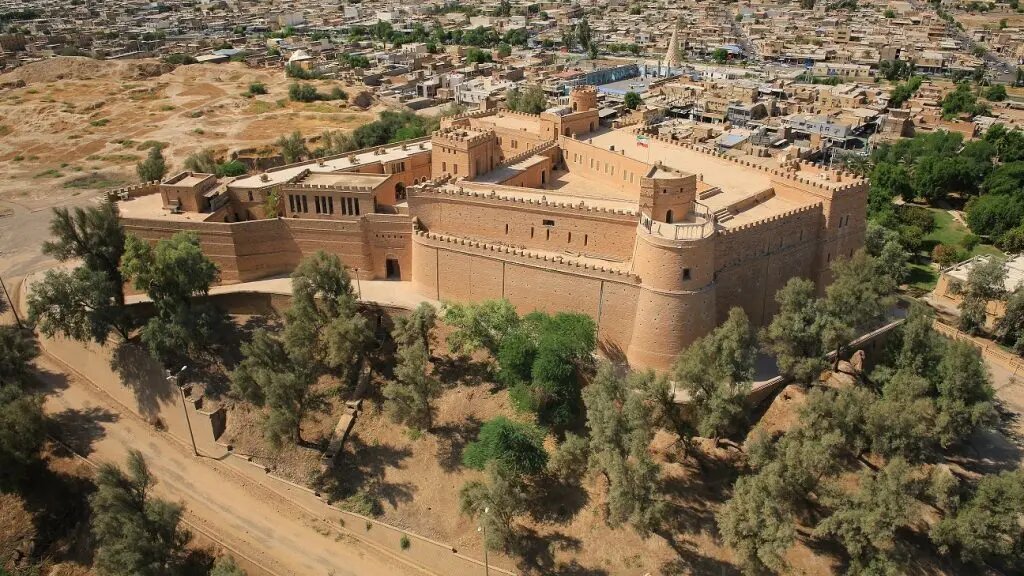
An aerial view of Susa Fortress
One of the most impressive parts of my visit was exploring the remains of the ancient palace complex. The Apadana Palace, built by Darius the Great, once stood in great splendor. Today, only fragments remain, but even these are enough to imagine its former glory. The glazed bricks, carved reliefs, and massive columns speak of an empire that valued beauty, order, and power. Standing there, I could almost picture delegations from distant lands walking through its halls.
As I wandered through the archaeological site, I was struck by how many layers of history are packed into one place. The excavations reveal traces of Elamite, Babylonian, Assyrian, Achaemenid, Greek, Parthian, and Sasanian civilizations. Few places in the world show such a continuous story of human life. Pottery shards, inscriptions, and ancient foundations lie scattered across the site, each telling a small part of a very long story.
Susa also holds deep religious significance. It is known as Shushan in the Bible and plays an important role in the story of Esther. According to tradition, the Prophet Daniel is buried here, and his tomb remains one of the most important religious sites in the city. I visited the shrine, easily recognizable by its unique conical dome. People from different faiths come here to pray, reflecting centuries of shared spiritual heritage.
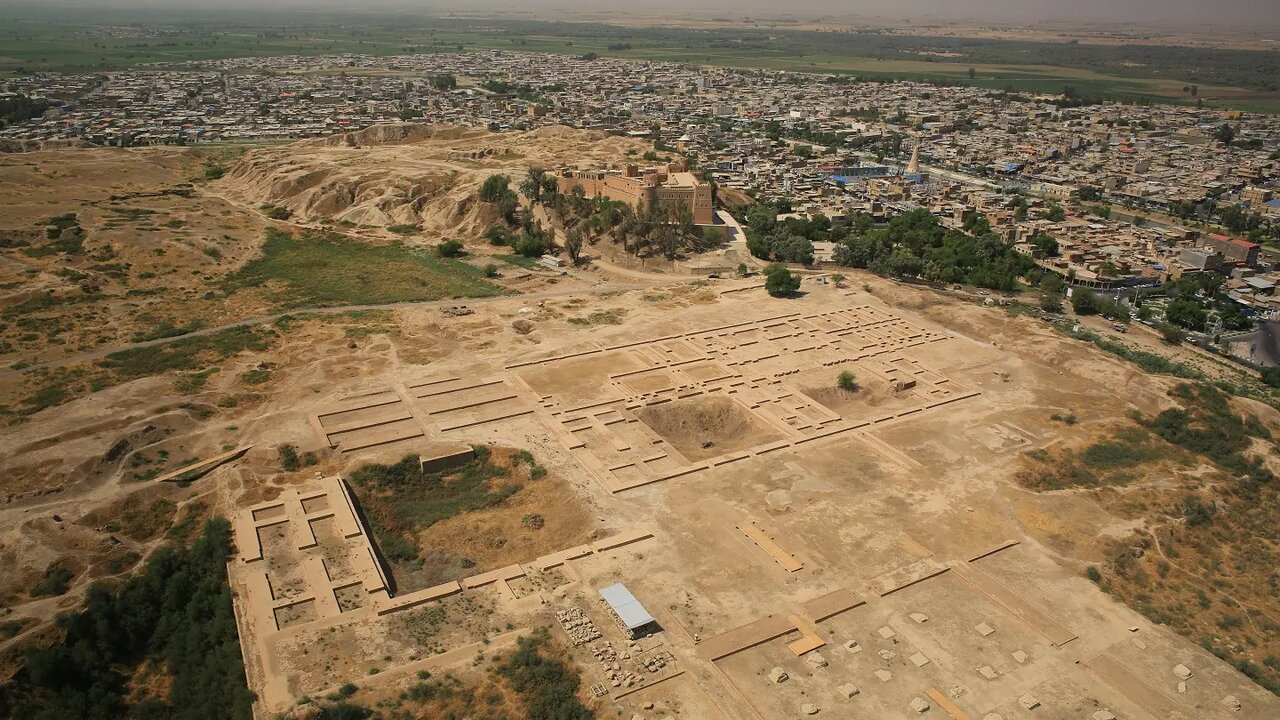
The ruins of Apadana Palace
Another highlight of my visit was the Susa Fortress, also known as the French Fortress. Built in the late 19th century by French archaeologists, it stands on one of the ancient mounds overlooking the site. The castle itself is a reminder of the early days of archaeology, when explorers came to uncover the secrets of the ancient world. From its walls, I enjoyed wide views of the ruins and the surrounding plains, which helped me better understand the city’s layout and importance.
The modern city of Shush surrounds these ancient remains. Walking through its streets, I saw a mix of cultures and traditions. Arabs, Lurs, Dezfulis, and others live side by side, continuing a long tradition of diversity. The city still feels deeply connected to its past, yet it is very much alive, with markets, mosques, and everyday life unfolding around the ruins.
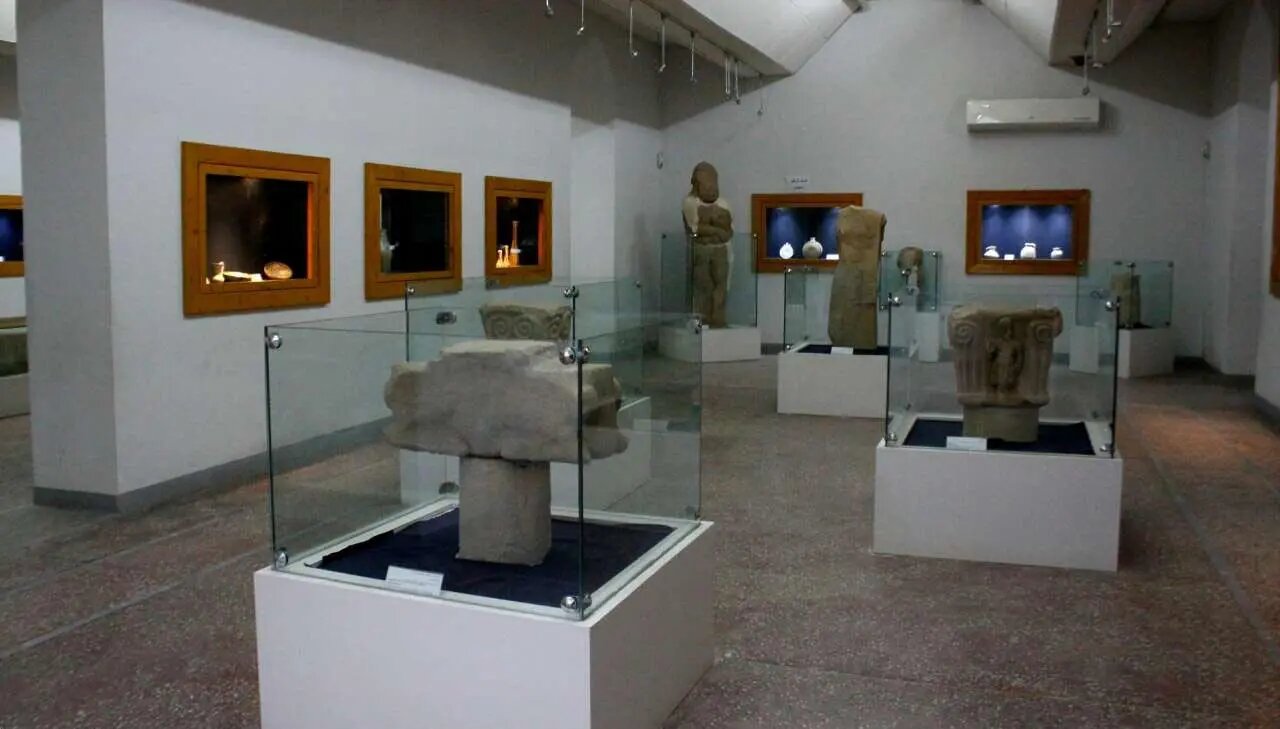
Susa Museum
What struck me most about Susa was how naturally history and daily life blend together. This is not a frozen archaeological park but a living place where the past and present exist side by side. Nearby, places like the ziggurat of Tchogha Zanbil and the fertile lands nourished by the Dez River add even more depth to the region’s historical landscape.
Leaving Susa, I felt I had not just visited a historical site, but had walked through thousands of years of human experience. From ancient kings and empires to modern communities, Susa tells a powerful story of continuity, resilience, and cultural richness. It is a place that stays with you long after you leave, a true treasure of human civilization in the heart of Iran.
AM