
‘WHO is Iran’s strategic partner in health sector’
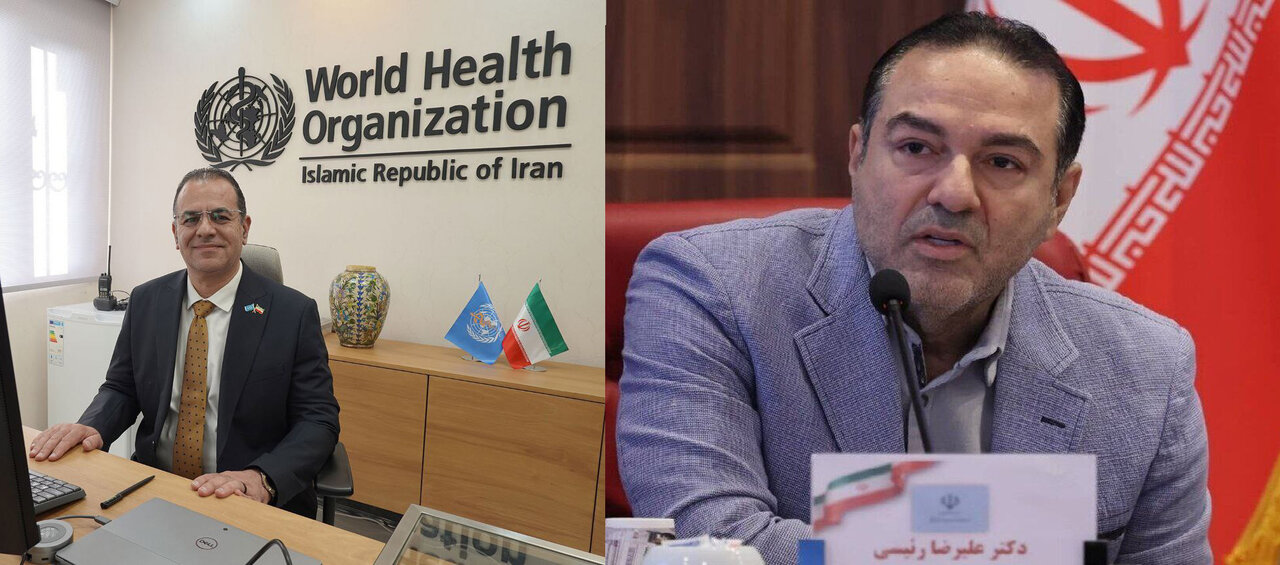
TEHRAN – The deputy health minister, Alireza Raeisi, has said the World Health Organization is a strategic partner and a norm-setting reference for the country's health sector.
The World Health Organization is at the heart of health system transformation, and it plays a crucial role in raising standards and strengthening national capacities, Raeisi stressed.
The official made the remarks on Tuesday in a meeting with Awad Mataria, the new WHO representative in Iran.
"The future path for cooperation should concentrate on jointly creating solutions that would address domestic as well as regional needs, rather than just providing support."
Speaking from experience, institutional respect, mutual trust, and strategic alignment lead to sustainable and effective outcomes in the health system, the health ministry's website quoted Raeisi as saying.
The official went on to enumerate the strategic health priorities of the country, including youth population, family physician and referral system, guided self-care, and social factors affecting health.
The youth population is a driving force in public health and national development. Investment in reproductive, maternal, newborn, child, and adolescent health has the highest long-term returns, he added.
The effective implementation of the family physician program plays a decisive role in improving the quality of services, lowering unnecessary costs, and boosting equity in access to health services. Guided self-care is an important factor that contributes to boosting family resilience and alleviates pressure on healthcare systems. And WHO technical support is a strategic necessity in localization frameworks and standardization of services, Raeisi highlighted.
Mataria, for his part, highlighted the importance of healthy cities as the main platform for achieving health equity and reducing inequalities. Appropriate urban design, sustainable transportation, and a healthy environment have a direct impact on the quality of life and public health.
The official considered aging an opportunity for sustainable development, stating that “Investing in primary health care, preventing chronic diseases, and strengthening social support for the elderly are among the requirements of future health systems.
Referring to the role of health economics, the official said that sustainable decision-making in the health sector requires cost-effectiveness analysis and prioritization of interventions based on economic and social returns. By linking healthy cities, healthy aging, and health economics, the region’s health systems will be more resilient and efficient.
On December 21, Mataria held a meeting with Health Minister Mohammad-Reza Zafarqandi.
The two sides discussed ways to boost cooperation, focusing on synergy between WHO policies and national policy documents in the health sector, the health ministry’s website reported.
The WHO programs must be developed and implemented in accordance with the country’s macro health policies, development plans, and priorities declared by the Ministry of Health, Zafarqandi highlighted.
The official considered it important for the WHO office to utilize regional and global capacities and transfer successful experiences of other countries to improve Iran’s health system.
The collaboration between the health ministry and the WHO is expected to empower the country and boost the health system’s resilience and preparedness, particularly in times of crisis and emergencies, through attracting support and technical assistance, Zafarqandi noted.
Mataria, for his part, reaffirmed his commitment to the enhancement of cooperation, underscoring that he will make every effort to realize the expectations of Iran’s health ministry.
MT/MG
Photo: The deputy health minister Alireza Raeisi (R) and the new WHO representative in Iran, Awad Mataria (L)