
Bahram Beyzaie, pillar of Iranian artistic heritage, passes away
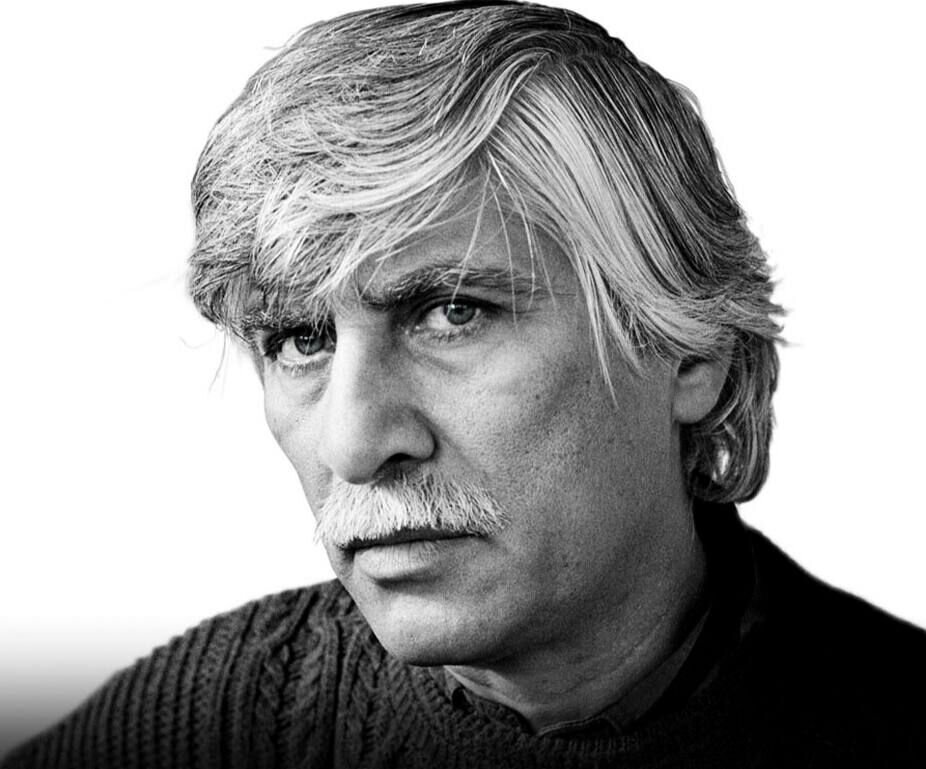
TEHRAN- Bahram Beyzaie, a towering figure in Iranian theater, cinema, and literature passed away on his 87th birthday on Thursday, according to a statement from Stanford University’s Iranian Studies Program, where he served as a distinguished visiting professor for over 15 years.
Mojdeh Shamsaie, his wife, confirmed the news of the artist’s passing on social media and stated that Bahram Beyzaie died at his private residence in California, the U.S.
Beyzaie’s death coincides with Iran’s Playwrights’ Day, a day that, in honor of his birth and coinciding with the anniversary of Akbar Radi’s death, has been commemorated annually.
His life’s work bridged the ancient myths of Persia with contemporary social narratives, shaping the cultural fabric of Iran and inspiring generations of artists and thinkers.
The statement from Stanford expressed deep sorrow, highlighting Beyzaie’s unwavering dedication to Iran’s cultural preservation. “He often said that his true home and calling were the realm of culture. His love for Iran was profound, and he tirelessly promoted its heritage,” it read.
“His departure comes five years after his heroic and luminous effort to complete the text of ‘Dash Akol According to Marjan,’ a testament to his lifelong dedication to the arts,” the statement continued.
The community also wishes to extend its heartfelt gratitude to Ms. Mojdeh Shamsaie, who, without her wisdom and empathy, believes many of Beyzaie’s later years would have been different, ensuring his legacy endures.
“In the words of the Shahnameh, wherein Beyzaie lived all his life, ‘If death is justice, what then is injustice?’” it concluded.
Moreover, the Minister of Culture and Islamic Guidance expressed his condolences on the passing of Bahram Beyzaie in a message.
“The death of Professor Bahram Beyzaie, playwright, researcher, and screenwriter, is deeply saddening. Throughout his long artistic career, he made a significant contribution to the expansion of Iranian storytelling by creating theatrical and cinematic works that emphasized cultural and mythological roots,” Seyyed Abbas Salehi stated in his message.
“Beyzaie’s dedication to research and enhancing knowledge of theater, along with his influential role in training new generations, has become part of the cultural legacy of this talented artist. His works, research, and writings—from his publications to his theatrical and cinematic productions—will remain enduring in Iran’s artistic memory,” parts of the message read.
“I extend my condolences to his esteemed family, students, artists, and lovers of theater and cinema. I pray to God for mercy and forgiveness for the departed and patience and strength for his family and loved ones."
Born in Tehran in 1938, Beyzaie, one of Iran’s most cherished artistic minds, was a multifaceted artist whose work spanned playwriting, filmmaking, and academic scholarship. His artistic vision seamlessly intertwined Persian mythology, epic literature—particularly Ferdowsi’s Shahnameh—and modern social issues, establishing him as a pioneering force in Iran’s cultural renaissance.
Prior to his cinematic career in the 1970s, Beyzaie had already gained recognition as a leading playwright and historian, earning the nickname the Shakespeare of Iran for his mastery of the Persian language and dramatic storytelling. Like Shakespeare he made the history of his country the subject of his plays. His plays are magnificent and his language is cultivated.
His films, including the acclaimed “Bashu, the Little Stranger” (1986), which was named Iran’s greatest film in a 1999 poll, are considered landmarks of Iranian cinema. Other notable works include “Ballad of Tara” (1979), “Death of Yazdgerd” (1982), and “Killing Mad Dogs” (2001).
Relocating to the United States in 2010, Beyzaie continued to nurture Iranian cultural traditions through his academic endeavors at Stanford University, where he introduced students and audiences worldwide to Persian theater, cinema, and mythology. His teaching and research kept alive the rich heritage of Iran’s artistic history, even as he remained actively engaged in his creative pursuits until the final years of his life.
His dedication culminated in the completion of the manuscript for “Dash Akol According to Marjan”, a project he finalized five years prior to his passing—an achievement reflecting his enduring creative spirit.
SAB/