The empire’s orphan strikes back
A tragedy forged in CIA’s narco-empire has been weaponized for a technocratic police state

TEHRAN – Amid a bitter clash over Trump’s attempt to federalize the National Guard, Rahmanullah Lakanwal allegedly opened fire outside a D.C. recruitment center on November 26, killing one soldier and critically wounding another.
Trump ordered 500 more Guard troops into the capital — with the Pentagon confirming on December 2 that they are armed with live weapons.
Attorney General Pam Bondi wasted no time: the tragedy proved the Guard must now flood “every city we possibly can.” She made the statement just as hundreds of billions flow to AI border towers, biometric checkpoints, genetic-tracking databases, and drone-killing systems.
Fear of “radical Islam” and “illegals” has been used as the perfect lubricant for a technocratic surveillance state that many Americans will soon applaud as “security.”
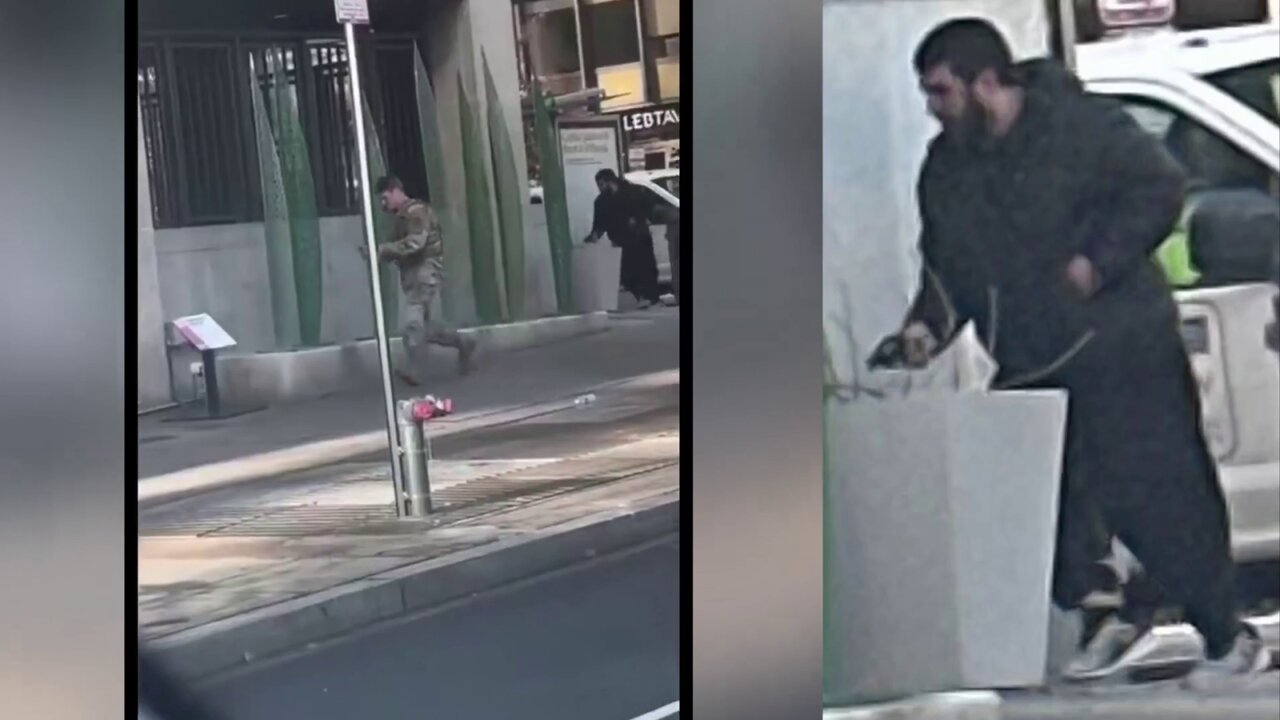
The shooter was no random “jihadi.” At 15, he was recruited into CIA Zero Unit 03—the Kandahar Strike Force—commanded by Ahmed Wali Karzai, the Agency’s highest-paid asset and Afghanistan’s heroin kingpin.
Rahmanullah Lakanwal spent a decade as a sicario for the largest narco-cartel in history, one that the CIA created, armed, and protected.
When Kabul fell, Washington airlifted him and roughly ten thousand other hired killers to the United States on priority visas. Asylum was granted while Trump was in office, yet DHS Secretary Noem now frames it as “unvetted under Biden”—a partisan spin that amounts to revisionism.
Lakanwal spent a decade as a sicario for the largest narco-cartel in history, one that the CIA created, armed, and protected.
Resettled in Washington state, he received no serious psychiatric care and no real path forward. Isolation and the ghosts of night raids did the rest.
Similar to Jamal Wali in Virginia and Muhammad Syed in Albuquerque—both former Afghan commandos who snapped and killed—Lakanwal’s collapse was scripted by the policy that made him.
A former asset, legally armed, drives cross-country undetected and strikes the exact institution whose expanded domestic role was being contested in court. CIA Director Ratcliffe’s instant “all ties ended in 2021” line reads like a pre-scripted limited hangout.
History, from MK-ULTRA to the redeployment of Cuban exiles in domestic and Latin American terror, suggests these assets are seldom truly discarded, a pattern that invites even darker theories.
The United States turned a child into a cartel assassin, profited from his warlord’s opium empire, and imported him when the game ended.
Whether Rahmanullah Lakanwal was left to rot until he exploded, quietly steered, or something in between, the outcome serves the same agenda: a dead Guardsman becomes the emotional battering ram for military patrols in American cities and a permanent digital cage sold as protection from the very monsters the empire bred.
Yesterday's discarded assets become today's pretext for tomorrow's cage, turning empire's blowback into a technocratic police state.
The shooter is a symptom, not the main villain. The deeply entrenched military-intelligence complex creates threats, harvests fear, and escalates power. His bullets were a pretext; the policy is the project.
This is institutional architecture: a protection racket where yesterday's discarded assets become today's pretext for tomorrow's cage, turning empire's blowback into a technocratic police state. The tragedy is not system failure but function: a catalytic shock for the machinery of control.
Leave a Comment