The future of armed resistance in Gaza
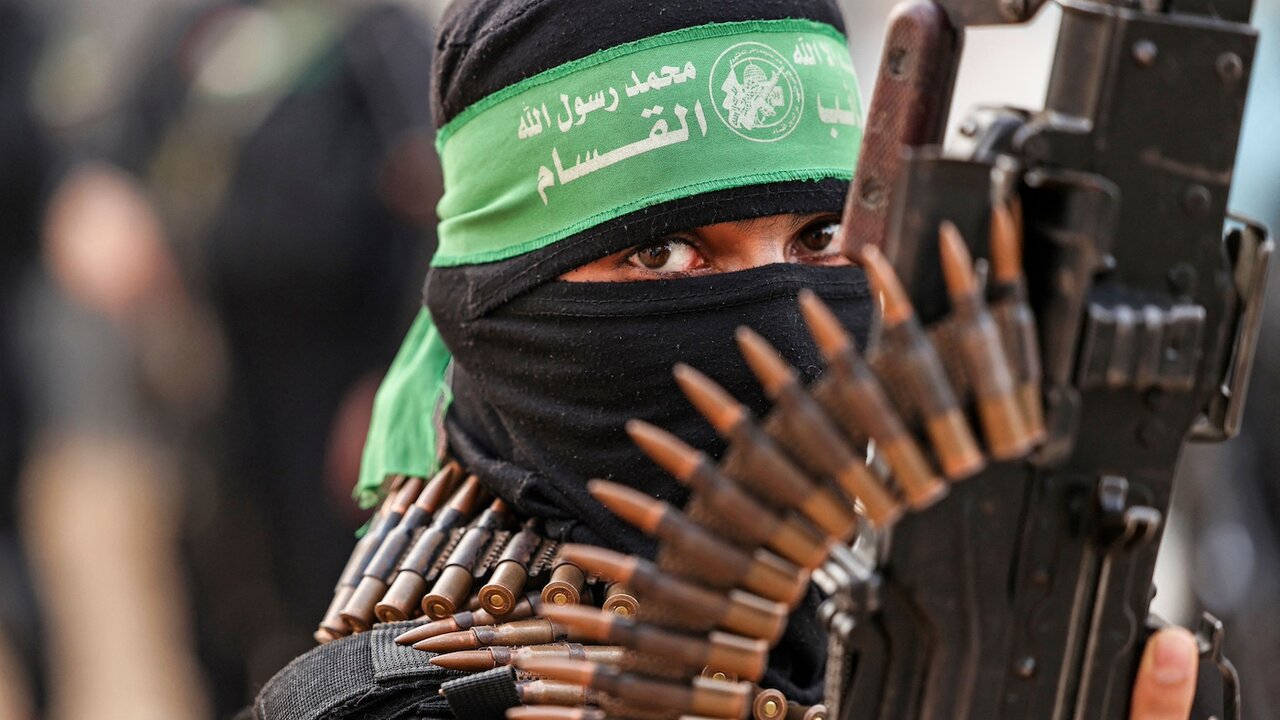
TEHRAN – The Palestinian resistance in Gaza faces a precarious period between flimsy ceasefires and ongoing aggression.
On top of this is mounting pressure to disarm, and on-the-ground realities that force resistance factions to adapt in order to survive. In the absence of a comprehensive political settlement, weapons remain a central feature of the landscape.
Recent phased ceasefire agreements have created a new set of challenges for the resistance factions, which now face increasing demands to relinquish their weapons while simultaneously working to reassert their presence and reorganize after a fierce confrontation with the occupying Zionist army.
Although these ceasefire agreements are marketed as humanitarian measures, they effectively shift the occupation regime’s aggression to the negotiating table, where issues related to weapons, reconstruction, and governance in Gaza are raised.
Each partial truce carries implicit security arrangements that could shape the future of the resistance.
The United States, the most influential mediator, has publicly linked Gaza’s reconstruction to security. It is calling for international monitoring of border crossings and the dismantling of the Palestinian factions’ military infrastructure.
This approach reflects a broader push to curtail the role of armed resistance in exchange for political and security assurances about Gaza’s future, assurances that are not binding on the Israeli regime.
In response, the resistance has adopted a strategy of managing time, preserving their weapons as a strategic balance while accepting the limited humanitarian arrangements to ease the crushing burden on Gaza’s population.
The genocidal war has devastated nearly every aspect of life, placing enormous pressure on decision-makers. Yet many within the Palestinian resistance believe that even full disarmament would not satisfy the Zionist regime, which they expect would continue to introduce new demands, including forced displacement or other unattainable conditions.
Much of Gaza’s weaponry is locally manufactured and relatively rudimentary but effective. A significant portion has already been used in defending the criminal Israeli regime during the past two years, while another portion was damaged by the regime’s intensive bombardment.
For this reason, rebuilding these capabilities may not pose a major challenge if the security environment shifts. The occupying regime’s ongoing efforts to magnify the threat of these weapons are intended in part to avoid the commitments required in what America referred to as “phase two,” that is expected to begin soon.
There is a widespread understanding that the Zionist regime seeks to create a crisis around each element of the ceasefire negotiations, driven by the domestic political needs of Prime Minister Benjamin Netanyahu and his far-right government.
This perception has prompted the resistance to show unusual flexibility, aiming to deny Netanyahu opportunities to fully reignite the aggression. One example is the rapid return of the captives and dead bodies. This was always considered one of the strongest bargaining chips at the hands of the resistance, but it was completed quickly.
Despite the harsh conditions, a significant share of Palestinians continue to support armed resistance and reject the Israeli-American approach, believing that ending resistance is not a viable solution so long as occupation persists.
Still, many are searching for a balance, maintaining resistance capabilities while reducing the cost borne by civilians and addressing the severe humanitarian crisis created by the genocide.
There are three possible scenarios:
Gradual disarmament
This is the preferred outcome for the Zionist regime. However, it is seen as nearly impossible without a far-reaching political settlement, one that the resistance is expected to reject regardless of the cost.
Weapons under a unified political framework
This scenario envisions integrating armed factions into a joint Palestinian security structure. Such an arrangement would require a broad political consensus that does not currently exist. Even in less complex contexts, such as Lebanon, similar attempts have not succeeded.
Continued armed capability with tactical adjustments
Perhaps the most realistic scenario, this path would allow the resistance to maintain its weapons while adapting tactics and preserving the technical expertise needed to sustain its arsenal, in line with the evolving conditions created by the genocidal war.
In the end, Gaza’s resistance movements remain in a delicate position, facing agreements that do not end the genocide, pressures that do not break their resolve, and field conditions that demand constant adaptation. Without a comprehensive political solution, armed capability is likely to remain an integral part of the equation, regardless of ongoing efforts to restrict or neutralize it.
Leave a Comment